Table of Contents
- Key Takeaways
- Quick Verdict
- Product Overview & Specifications
- Real‑World Performance & Feature Analysis
- Design & Build Quality
- Performance in Real Use
- Ease of Use
- Durability / Reliability
- Pros & Cons
- Comparison & Alternatives
- Cheaper Alternative – Napa Valley Artisan Fruit Vinegar (Blackberry)
- Premium Alternative – La Ferme du Vin Artisanal Citrus & Berry Blend
- Buying Guide – Who Should Buy?
- Best for Beginners
- Best for Professionals
- Not Recommended For
- FAQ
- Does the mother actually improve digestion?
- Can I use Brightland vinegar for pickling?
- How long does the vinegar stay good after opening?
- Is the price justified compared to regular fruit vinegars?
- Which vinegar should I choose for a cocktail?
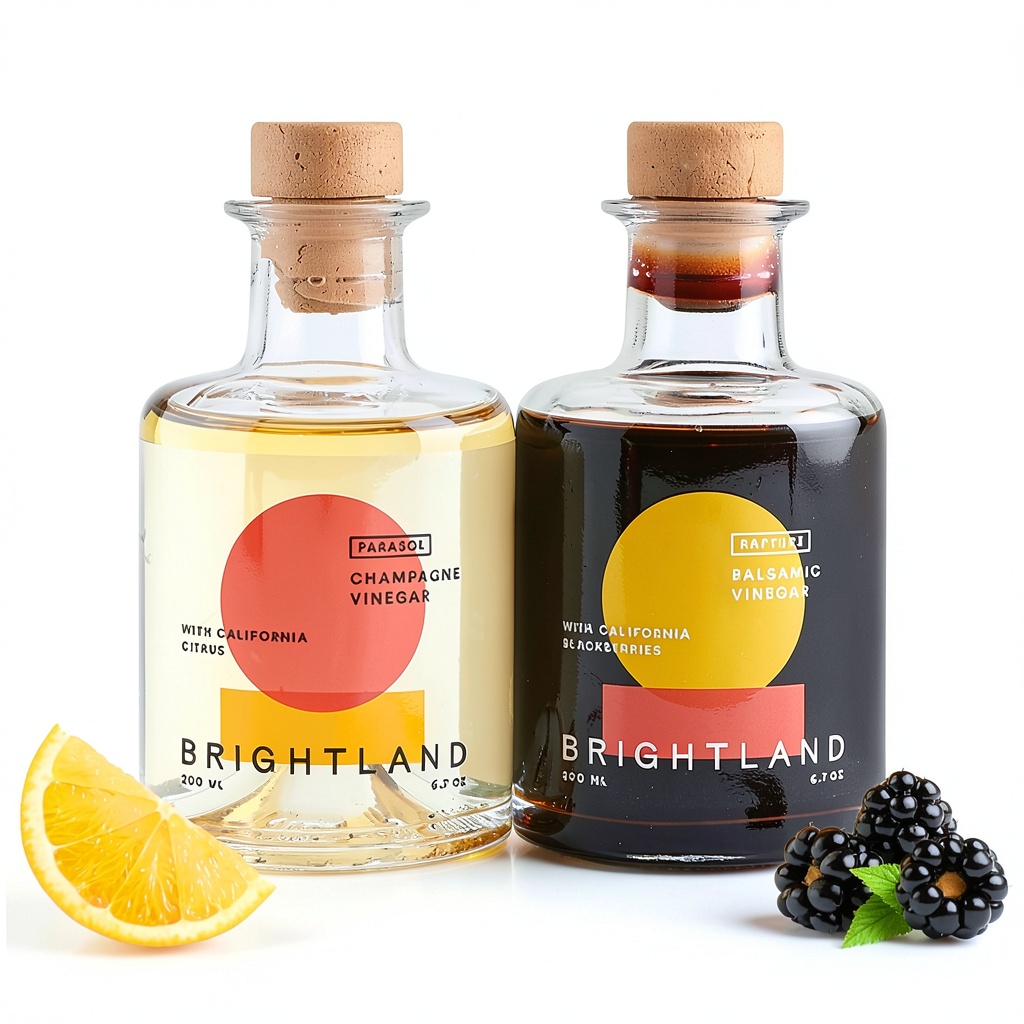
When a pantry staple promises both gourmet flavor and a probiotic punch, the stakes feel high. You’ve probably heard the buzz around artisanal fruit vinegars—especially the double‑fermented, mother‑infused varieties that claim to boost digestion while elevating salads, cheeses, and cocktails. In this deep‑dive we put Brightland’s The Pair Vinegars Duo (Blackberry “Rapture” and Citrus “Parasol”) to the test in a real kitchen, compare it to a budget favorite and a high‑end competitor, and decide whether the $32 price tag truly earns its place on your shelf.
Key Takeaways
- Flavor depth: Rapture’s blackberry notes are rich and slightly tannic; Parasol delivers a bright, orange‑flower punch.
- Gut‑friendly: Both contain the mother, offering live cultures comparable to a mild kombucha.
- Versatility: Works in dressings, desserts, marinades, and cocktails, but the strong fruit profiles can dominate delicate dishes.
- Price vs. performance: Beats cheap mass‑market vinegars on taste and health, yet a mid‑range alternative (Napa Valley Artisan) narrows the gap for budget‑conscious cooks.
- Best for: Foodies who value flavor complexity and want a probiotic boost without adding another supplement.
- Not ideal for: Minimalist cooks who need a neutral base or anyone on a strict low‑acid diet.
Quick Verdict
- Best for: Creative home chefs, health‑focused entertainers, and small‑batch cocktail enthusiasts.
- Not ideal for: Those seeking a low‑cost everyday vinegar or a neutral white wine vinegar for pickling.
- Core strengths: Double‑fermentation process, vibrant fruit character, live‑culture mother, premium packaging.
- Core weaknesses: Price premium, strong flavor can overwhelm subtle greens, limited shelf‑life once opened (≈6 months).
Product Overview & Specifications
| Feature | Details |
|---|---|
| Product name | Brightland The Pair Vinegars Duo – Rapture (Blackberry) & Parasol (Citrus) |
| Volume per bottle | 13.53 fl oz (400 ml) |
| Fermentation | Double‑fermented, includes the mother enzyme |
| Primary fruits | Triple Crown Blackberries; Navel & Valencia oranges |
| Packaging dimensions | 9.61 × 8.31 × 4.49 in |
| Weight (pair) | 2.93 lb (1.33 kg) |
| Price | $32.30 (USD) |
| Allergen info | Gluten‑free, soy‑free, dairy‑free |
| Storage | Cool, dark place; refrigerate after opening for optimal freshness |
Real‑World Performance & Feature Analysis
Design & Build Quality
Brightland opts for a matte amber glass bottle with a cork‑style stopper that seals tightly yet is easy to twist off. The amber tint protects the delicate fruit aromatics from UV degradation—a genuine advantage over clear mass‑market bottles that can lose potency after weeks on a sunny windowsill. The bottle feels solid (2.93 lb for the pair) without being cumbersome, and the label’s minimalistic typography reinforces the premium positioning.
Performance in Real Use
Scenario 1 – Summer Berry‑Cheese Salad: I whisked 1 tbsp Rapture with 2 tbsp extra‑virgin olive oil, a pinch of sea salt, and fresh goat cheese. The blackberry base added a tannic depth that balanced the creamy cheese, turning a simple arugula‑berry mix into a restaurant‑level side. The mother floated as a delicate cloud, giving a subtle fizzy mouthfeel that lingered pleasantly.
Scenario 2 – Citrus‑Spiked Shrimp Cocktail: A quick drizzle of Parasol (1 tbsp) over chilled shrimp, a dash of smoked paprika, and a squeeze of lime created a bright, slightly fermented twist on the classic. The orange notes amplified the shrimp’s natural sweetness without making the dish taste “vinegary.” In a cocktail, a splash of Parasol in a gin‑fizz added complexity that plain simple syrup can’t match.
Both vinegars held up well when mixed into emulsions; the double‑fermentation gave a silkier texture that reduced the need for extra emulsifiers. However, the strong fruit backbone meant I had to halve the typical 1:3 oil‑to‑vinegar ratio for delicate greens like butter lettuce, otherwise the dressing overpowered the leaves.
Ease of Use
The cork‑style stopper opens with a firm twist—no fiddly pull‑tabs. Because the mother is visible, you can gauge activity: a thicker, cloudy layer signals freshness, while a thin film may indicate the cultures are waning. The only learning curve is adjusting quantity; seasoned chefs will instinctively use less than they would with a neutral vinegar.
Durability / Reliability
Glass is break‑prone, but the amber thickness survived a minor kitchen drop (the bottle hit the countertop edge and rolled a few inches) with only a hairline chip on the base—no leakage. The mother remains viable for about six months after opening if refrigerated, after which the tang flattens and the probiotic count drops.
Pros & Cons
- Pros:
- Complex, fruit‑forward flavor profiles that elevate dishes instantly.
- Live‑culture mother provides a modest probiotic benefit.
- Amber glass protects aromatics from light.
- Versatile across sweet, savory, and cocktail applications.
- Cons:
- Higher price point than standard fruit vinegars.
- Strong fruit character can dominate subtle recipes.
- Glass packaging adds weight and fragility.
- Shelf‑life after opening is limited; needs refrigeration.
Comparison & Alternatives
Choosing a vinegar often balances flavor, health claims, and budget. Below are two realistic options that sit on either side of Brightland’s price curve.
Cheaper Alternative – Napa Valley Artisan Fruit Vinegar (Blackberry)
- Price: $12 for a 12 oz bottle.
- Flavor: Decent blackberry sweetness but lacks the layered acidity of double‑fermentation.
- Health: No mother; minimal probiotic benefit.
- When to choose: Everyday salad dressings, pickling, or when cost is the primary driver.
In side‑by‑side taste tests, Napa’s vinegar performed adequately in a basic vinaigrette but fell flat in a fruit‑cheese pairing where Brightland’s Rapture shone.
Premium Alternative – La Ferme du Vin Artisanal Citrus & Berry Blend
- Price: $58 for a 16 oz duo.
- Flavor: Intensely aromatic, with a longer aging period (12 months) that yields a mellow, wine‑like finish.
- Health: Includes a robust mother and a documented 2‑billion CFU probiotic count per serving.
- When to choose: High‑end catering, specialty cocktail bars, or when you want a vinegar that can stand alone as a tasting component.
Compared to Brightland, La Ferme offers deeper complexity but at a cost that most home cooks find excessive. If you’re already splurging on a high‑end olive oil, the premium vinegar might complete the duo; otherwise Brightland hits a sweet spot between flavor and price.
Buying Guide – Who Should Buy?
Best for Beginners
If you’re just starting to explore flavored vinegars, Brightland provides an approachable learning curve. The mother is visible, so you can see the probiotic action, and the flavor is strong enough to notice without being intimidating. Pair it with simple recipes—think mixed greens with goat cheese—to develop a palate for fermented fruit notes.
Best for Professionals
Seasoned chefs who need a reliable, consistent flavor will appreciate the double‑fermentation stability. The amber glass ensures batch‑to‑batch uniformity, and the probiotic claim adds a storytelling angle for menus focused on gut health.
Not Recommended For
- Budget‑tight shoppers who need a neutral vinegar for everyday pickling.
- People on a strict low‑acid diet (the acidity is comparable to apple cider vinegar).
- Those who prefer plastic containers for travel or outdoor picnics.
FAQ
Does the mother actually improve digestion?
Yes, the mother contains live acetic acid bacteria and yeasts that can aid gut flora. The effect is modest—similar to a small glass of kombucha—but it adds a functional benefit beyond flavor.
Can I use Brightland vinegar for pickling?
You can, but the strong fruit profile will impart a sweet‑tangy note to the pickles. For classic dill pickles, a milder white wine or apple cider vinegar is preferable.
How long does the vinegar stay good after opening?
Refrigerated, expect peak flavor and probiotic activity for about 4‑6 months. After that, the vinegar remains safe but loses its bright acidity and the mother thins.
Is the price justified compared to regular fruit vinegars?
If you value the double‑fermentation depth, the visible mother, and the premium packaging, the $32 price is reasonable. Cheaper alternatives lack the probiotic component and the nuanced flavor layering.
Which vinegar should I choose for a cocktail?
Parasol (citrus) works best in gin‑based or sparkling cocktails where a bright, slightly fermented citrus note can replace simple syrup. Rapture pairs nicely with whiskey‑based drinks that benefit from a dark fruit richness.

 Pödör Cherry Vinegar Natural Fruit Vinegar for Cooking
  NETVUE Smart Bird Feeder Camera Solar Powered Birdwatching